
As of March 1, 2026, National Pharmacare (Plan NP) now covers many menopausal hormone therapy (HRT) options for BC residents—making access easier than ever. Dr. Kaleb Falk, ND, shares what you need to know about supporting perimenopause and menopause with natural solutions.
I meet so many women in Kamloops, Kelowna and across British Columbia who feel blindsided by perimenopause and menopause. One day you’re sleeping soundly and the next you’re tossing the covers off at 3 AM, fighting night sweats, mood changes and brain fog. If that sounds familiar, you’re not alone. The great news is you don’t have to suffer in silence—and you no longer have to pay out‑of‑pocket to explore hormone therapy.
Menopause and HRT: What You Should Know
Menopause marks the natural end of ovarian hormone production. As estrogen and progesterone decline, hot flashes, night sweats, vaginal dryness, weight changes, sleep issues and anxiety can surface. Hormone therapy, sometimes called menopausal hormone therapy (MHT), replaces some of these missing hormones to calm the roller‑coaster.
There are two broad types of therapy:
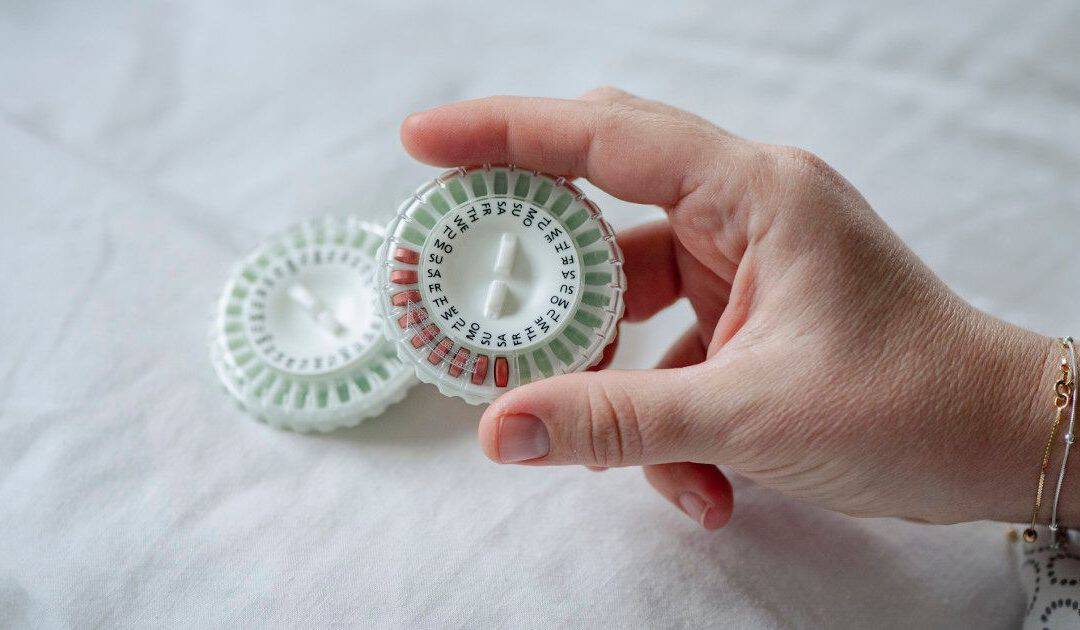
- Systemic hormones: delivered through pills, patches, gels, sprays or a vaginal ring. These circulate through your bloodstream and are very effective for hot flashes and night sweats.
- Low‑dose vaginal estrogen: creams, tablets or inserts that restore moisture locally with minimal absorption into the rest of the body.
Menopausal hormone therapy (MHT) is considered both safe and effective for moderate to severe symptoms. It can also protect your bones and, when used early, may lower your risk of heart disease and type 2 diabetes. As with any therapy, there are considerations: oral pills can slightly increase the risk of blood clots and stroke, which is why many women prefer transdermal patches or gels. If you still have a uterus, you need to pair estrogen with a progestogen as it is protective against uterine cancer. Transdermal estrogen therapy does not increase your risk of breast cancer, compared to oral estrogen.
HRT, MRT and BHRT: What are they and how do they differ?
Menopausal hormone therapy (MHT) and hormone replacement therapy (HRT) generally describe the same treatment—using estrogen alone or combined with progesterone to ease hot flashes, night sweats and other menopausal symptoms, although many providers prefer “MHT” because it emphasises symptom management rather than simply “replacing” hormones. Bio‑identical hormone therapy (BHRT), meanwhile, refers to hormones that have the same molecular structure as those produced naturally by the body. These bio‑identical hormones don’t have to be custom‑made; there are approved, well‑tested bio‑identical products available at regular pharmacies. When BHRT is prepared by compounding pharmacies, it’s marketed as “natural,” but there’s no evidence that custom‑compounded versions are safer or more effective; hormone levels can vary widely between batches.
Is HRT covered by insurance in BC?
One of the most exciting developments for women’s health this year is the National Pharmacare Plan NP, the first phase of the federal pharmacare program. As of March 1 2026, the plan covers the full cost of several menopausal hormone therapy (MHT) medications for any B.C. resident enrolled in the Medical Services Plan (MSP). That means you can fill your prescription at the pharmacy without a deductible or dispensing fee, and no special authority paperwork is required.
According to the B.C. government’s Plan NP formulary, the following hormones are considered full benefits under the program:
- Oral micronized progesterone (e.g., PMS‑Progesterone, Reddy‑Progesterone). This is a “bioidentical” progesterone that matches the molecular structure your body produces. It’s commonly used to counterbalance estrogen in women with a uterus.
- Vaginal estrogen creams and inserts (e.g., Premarin cream, IMVEXXY). These deliver low doses locally to help with dryness.
- Topical gels and patches containing estradiol alone or combined with norethindrone acetate (Estrogel, Divigel, Climara, Estradot, Estalis). Transdermal delivery avoids the liver and may reduce clot risk.
- Oral estradiol and conjugated estrogens (Estradiol tablets, Premarin). These systemic tablets boost circulating estrogen.
- Oral medroxyprogesterone (Provera, Aa‑Medroxy). A synthetic progestin used with estrogen when natural progesterone isn’t available.
These options include widely used bioidentical hormones such as micronized progesterone and 17β‑estradiol. However, custom‑compounded bioidentical hormone therapies prepared by specialty pharmacies are not part of Plan NP; those remain a private expense. If you’ve been on compounded formulas, we’ll discuss whether a covered product can meet your needs or whether private BHRT is still appropriate.
View this post on Instagram
How much does MHT usually cost?
Before Plan NP, menopausal hormone therapy was an out‑of‑pocket expense. Research from the University of British Columbia found that many women skipped treatment because therapies that raise estrogen and progesterone cost roughly $100 per month. Bioidentical hormone therapy regimens that combine multiple hormones can run $150–$200 per month or more once you factor in laboratory testing and practitioner fees. With the new program, these covered products are free at the pharmacy counter, making MHT accessible to far more women.
Why Menopausal Hormone Therapy is Free in BC
Coverage for MHT in B.C. is part of a wider national pharmacare strategy. The Pharmacare Act (Bill C‑64) received Royal Assent on October 10 2024. In March 2025, the Province of British Columbia and the federal government signed a bilateral agreement that allocated federal funds toward national pharmacare and allowed B.C. to use part of that funding for MHT because the province already covered contraception. The result is a first‑in‑Canada collaboration that eliminates the cost barrier for menopause medications and underscores a commitment to reproductive and mid‑life health.
This policy is a milestone for women’s health. By removing financial barriers, more women can access evidence‑based hormone therapy to manage hot flashes, protect bone density and improve quality of life without resorting to less‑studied compounded formulas. If you’re curious about whether MHT is right for you, I’m happy to discuss your options and help you navigate coverage.
Should I see a Naturopathic Doctor for Menopausal Hormone Therapy (MHT)?
Every woman’s menopause journey is unique. In my practice I start by listening. We talk about your symptoms, your medical history, your diet and lifestyle, and what you hope to feel in your body again. We may run tests to check hormone levels, thyroid function, adrenal health and nutrient status. From there we explore options together:
- Choosing the right preparation: Some women thrive on a low‑dose patch or gel, others need a combination of estrogen and progesterone, and some simply benefit from localized vaginal estrogen. We’ll discuss bio‑identical hormones and conventional options so you feel confident in your choice.
- Lifestyle and nutrition: Balanced blood sugar, regular movement and restorative sleep make hormone therapy more effective. Because gut health is one of my specialties, we often address digestion (including issues like SIBO or IBS) to support hormone metabolism.
- Whole‑body therapies: Herbal medicine, acupuncture, regenerative injections and IV nutrients can complement HRT and address joint pain, mood swings, fatigue and other concerns.
- Virtual care: If you live outside of Kamloops, we can meet via secure video. I can mail hormone tests to your home and send prescriptions directly to your local pharmacy.
Related Reading: Virtual Naturopathic Doctor | British Columbia
Iron Levels and Hormone Replacement Therapy: What you need to know
Recent research supports the idea that hormone therapy and iron status are interconnected. Estrogen helps the body absorb iron by suppressing hepcidin, a hormone that normally slows iron uptake. During perimenopause, dropping estrogen can raise hepcidin levels and make it harder to absorb dietary iron, especially when combined with heavy menstrual bleeding. This is why iron deficiency is still common in women transitioning into menopause.
After menopause, however, iron stores tend to rise because menstrual blood loss stops; serum ferritin levels in postmenopausal women are roughly two to three times higher than in premenopausal women. High iron can become problematic for the cardiovascular benefits of hormone therapy. A 2023 animal and human study found that age‑related iron accumulation down‑regulates estrogen receptor‑α (ERα) in arterial tissues and diminishes estradiol’s atheroprotective effects. In iron‑overloaded mice, estradiol treatment further reduced ERα levels via an iron‑regulated ubiquitin ligase (Mdm2), leading to worsened atherosclerosis, whereas chelating excess iron restored ERα and the protective effect of estradiol. The authors concluded that starting hormone therapy soon after menopause—before iron builds up—and managing iron overload could be important for women seeking cardiovascular protection.
Conversely, earlier population studies have reported that current hormone therapy users have lower ferritin levels and better iron‑binding capacity than non‑users, suggesting that estrogen may exert homeostatic control over iron stores. Thus, the relationship between hormone therapy and iron is complex: low estrogen can contribute to iron deficiency, whereas high iron after menopause may blunt hormone therapy’s benefits. For patients experiencing fatigue, brain fog or restless legs, it’s wise to check ferritin levels; case‑finding guidelines in B.C. recommend measuring ferritin when there is clinical suspicion of iron deficiency rather than universal screening. If deficiency is present, dietary changes and oral supplements are first‑line treatments, with intravenous iron reserved for those who need faster replenishment.
View this post on Instagram
Hormone Therapy (HRT/MHT/BHRT) in Kamloops, BC
If things have felt off lately—your energy, your sleep, your mood— there’s likely a reason, an underlying issue that can (and should) be addressed. BC residents now have access to free hormone therapy, removing one of the barriers preventing women from living in their optimal health. If you’re looking to understand your treatment options, the Plan NP menopausal hormone therapy coverage or simply just trying to take the first step to a healthier, more energetic you, I welcome you to book in your complimentary 15-minute consultation with me. Questions? I am an email away: hello@drkalebfalk.com or call Total Health Clinic in Kamloops at 250-374-9700. Not local to Kamloops? I offer virtual Naturopathic care across BC.